How Much Time Should You Allow To Design, Permit, And Install A Home Elevator?
A realistic calendar for a residential elevator, from the first site visit to the final inspection, and where the weeks usually go.
Why the calendar matters more than the quote
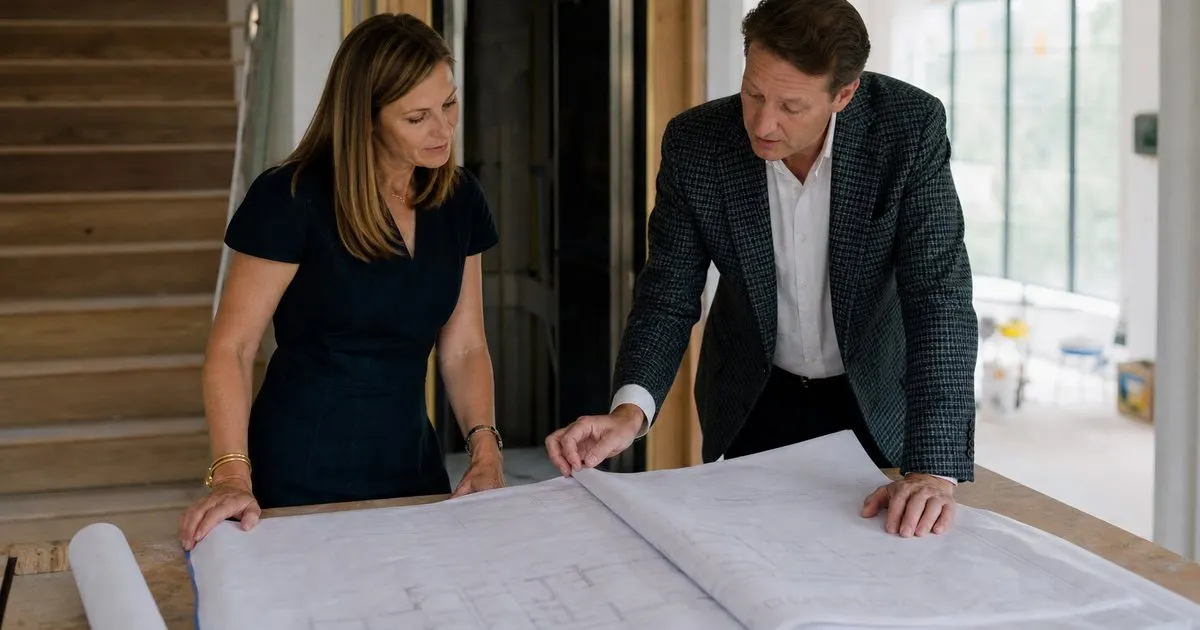
Most buyers fixate on the price and assume the schedule will sort itself out. In practice the timeline is where high-end elevator projects go sideways, because four separate parties (the elevator company, the general contractor, the architect or engineer, and the permitting authority) each control a piece of it and none of them controls the whole. A quote can be signed in an afternoon; the project behind it typically runs four to nine months from first site visit to final inspection, and longer when the house is occupied or historic. Related: How Much Should You Budget For A Luxury Residential Home Elevator?
The honest way to plan is to break the project into phases that overlap only partly: design and engineering, permitting, manufacturing, hoistway construction, mechanical installation, and inspection. Each phase has its own gatekeeper and its own typical duration. Understanding those gates lets you ask a dealer a far better question than "how fast can you do it," which is "what is the critical path, and which of these steps can run in parallel?"
Keep reading: How Much Should You Budget For A Luxury Residential Home Elevator?, Which Home Elevator Drive System Is Quietest And Most Reliable For Villas?, What Should Affluent Homeowners Know Before Installing An Elevator In An Existing House?. See how Homeliftr helps you an expert guide to elegant residential elevators.
Design and engineering: typically four to ten weeks
The first phase begins with a site survey, where the dealer measures the proposed location, checks floor-to-floor heights, and confirms where the pit and overhead clearance will come from. From that survey the manufacturer produces shop drawings specific to your house: hoistway dimensions, pit depth, overhead, rail bracket locations, electrical requirements, and door details. Expect at least one revision cycle, because architects often adjust door swings or finish thicknesses once they see the drawings.
If the hoistway touches structure, which it almost always does in an existing home, a structural engineer needs to stamp the framing or steel design. In new construction this phase folds into the architectural set and costs little time. In a retrofit it is frequently the longest silent delay, because the engineer cannot start until the drawings are final and the contractor cannot price the work until the engineer is done. Ask early who is hiring the engineer, and do not let that question float. Related: What Should Affluent Homeowners Know Before Installing An Elevator In An Existing House?
Permits, manufacturing, and the waiting game
Permitting varies more than any other phase. Some jurisdictions issue a residential elevator permit in a couple of weeks as part of a general building permit; others route it through a state elevator division with its own reviewers and can take two to three months. Coastal, historic, and hillside properties often add design review boards. Your dealer should know the local pattern, and a good one will submit the elevator drawings while the general contractor's permit is still in review rather than waiting for it. Related: Which Home Elevator Drive System Is Quietest And Most Reliable For Villas?
Manufacturing typically runs eight to sixteen weeks for a custom cab, and it usually starts only after the drawings are approved and a deposit is paid. This is the phase where finish decisions matter: exotic veneers, custom glass, and specialty lighting add weeks. The efficient sequence is to lock the cab specification the same week the drawings are signed off, so the factory clock starts while the permit and hoistway work proceed on their own tracks.
Installation, inspection, and the last mile
The mechanical installation itself is comparatively quick: rails, machine, car, and doors typically go in over one to three weeks once the hoistway is complete, plumb, and within tolerance. The condition is the hard part. Elevator crews will not start on a hoistway that is out of plumb, lacks the specified electrical service, or still has wet finishes, and every day they wait is a day added to a schedule they do not control. Hold the general contractor to the manufacturer's hoistway checklist before the crew is booked. Related: Which Finishes And Cab Materials Define A Genuinely Luxurious Home Elevator Interior?
After installation comes the state or local inspection, which depends on inspector availability more than anything else, and then a period of adjustment where the technician fine-tunes leveling, door timing, and ride quality. Build two to four weeks into the plan for inspection and punch list. Finally, if you are also finishing walls, flooring, and trim around the doors, those trades typically want the elevator in place first, so the last mile of the project is often about coordinating finish carpentry rather than the elevator itself.
- Plan on roughly four to nine months from first site visit to final inspection, not weeks.
- Structural engineering and permitting are the quiet delays; assign ownership of both on day one.
- Lock the cab finishes the week drawings are approved so manufacturing runs in parallel with construction.
- Hoistway readiness, not the elevator crew, is what usually decides the installation date.

Julien Jimenez
Julien Jimenez is an independent software builder based in Paris. He designs, ships, and operates focused SaaS products for small businesses and independent professionals. Read the full author page.
Elevate the Home You Love
An expert guide to elegant residential elevators. Homeliftr is built to help you put this into practice.
Request a consultationMore from the Homeliftr blog
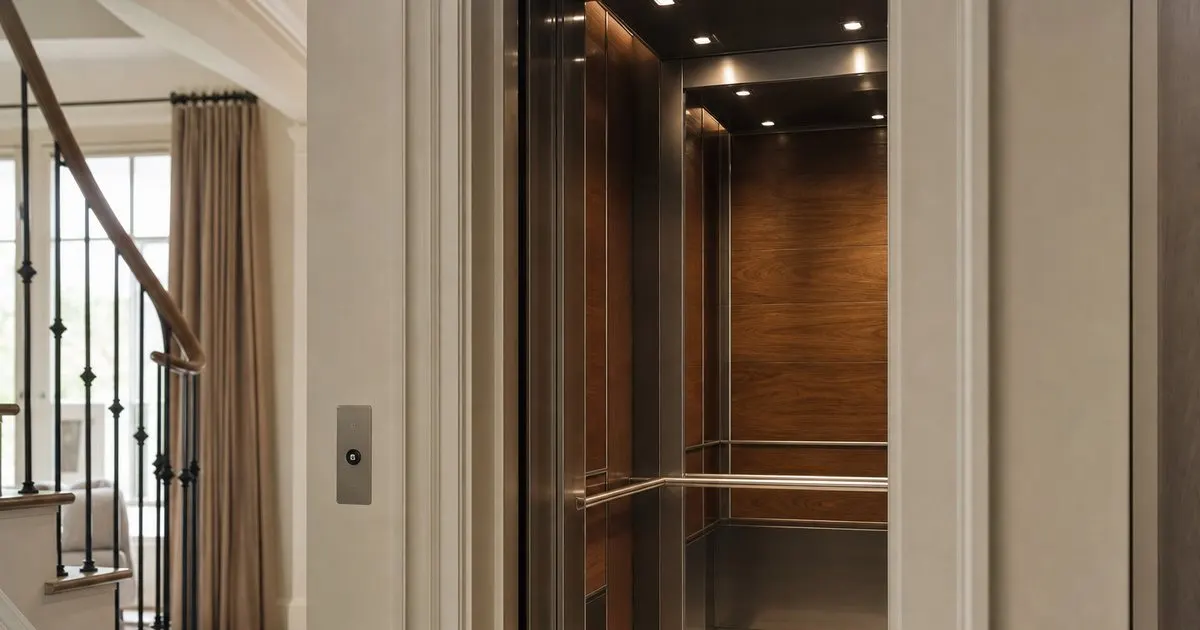
How Much Should You Budget For A Luxury Residential Home Elevator?

Which Home Elevator Drive System Is Quietest And Most Reliable For Villas?
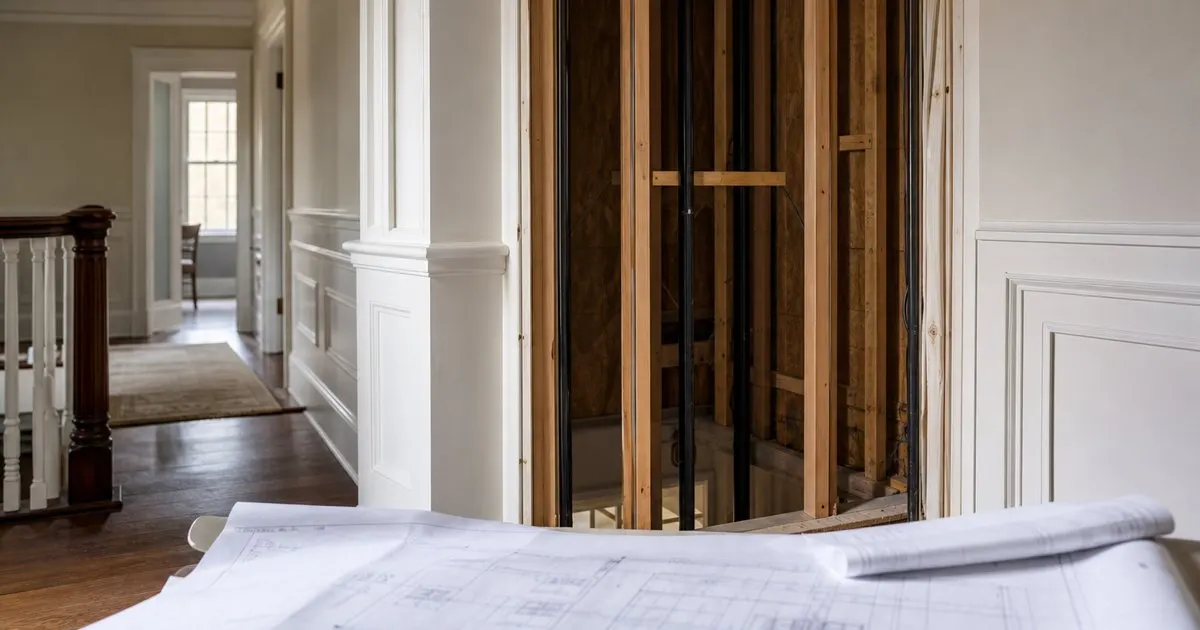
What Should Affluent Homeowners Know Before Installing An Elevator In An Existing House?
Get the complete residential home elevators guide
Our full buying guide, the price guide, and new research as we publish it. One email, no spam, unsubscribe any time.