How Much Should You Budget For A Luxury Residential Home Elevator?
A clear look at what shapes the cost of a fine home elevator, and where the money genuinely goes.
A considered residential home elevator commonly falls between five and fifteen thousand dollars for the cab and core system, though retrofits, structural work, elaborate finishes, and service add to that. Build your budget around the whole project rather than the headline price, and prioritize ride quality and safety over decoration.
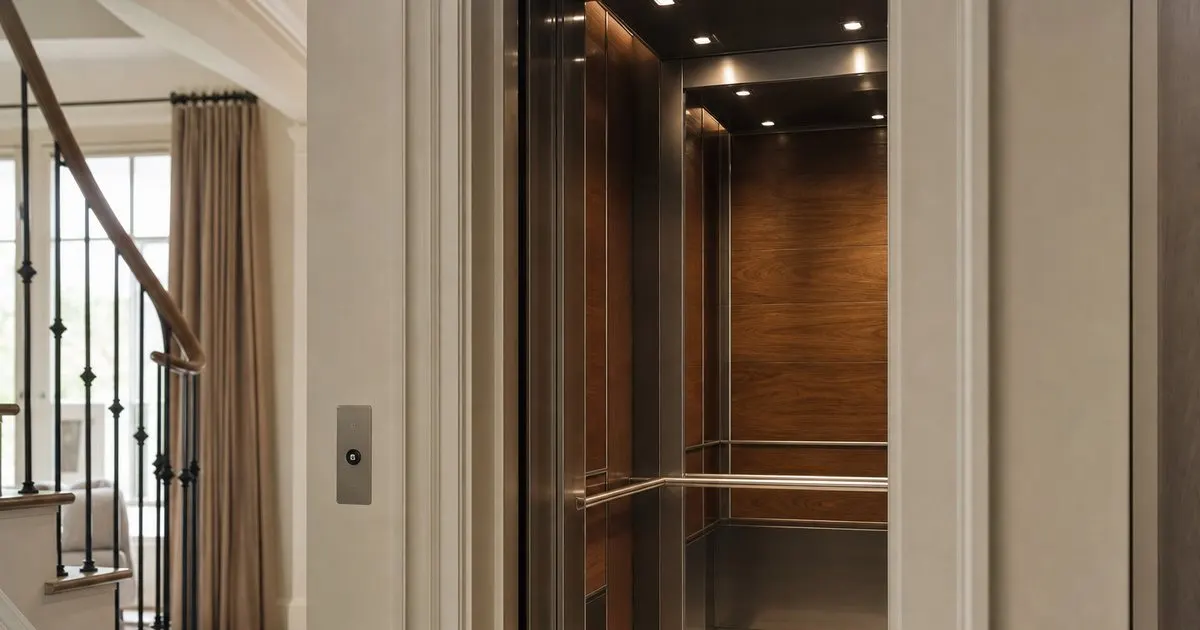
What actually drives the price
The largest cost factors are the drive system, the number of floors served, and the structural work the house requires. These decisions are made early and quietly set the overall figure. Related: Which Home Elevator Drive System Is Quietest And Most Reliable For Villas?
Finishes and customization then layer on top. A handsome cab can add meaningfully to the total, but it rests on mechanical choices that were resolved before any material was selected.
Keep reading: Which Home Elevator Drive System Is Quietest And Most Reliable For Villas?, What Should Affluent Homeowners Know Before Installing An Elevator In An Existing House?, How Do You Choose Between Hydraulic, Traction, And Pneumatic Home Elevators?. See how Homeliftr helps you an expert guide to elegant residential elevators.
Typical investment ranges
Many considered residential lifts fall roughly between five and fifteen thousand dollars for the cab and core system, with retrofits and elaborate finishes pushing higher.
Treat any headline number cautiously until it includes structural work, installation, and service. A low quoted price often omits the very items that determine the real cost. Related: How Much Space And Structural Work Does A Residential Elevator Actually Require?
Where premium spending pays off
Money spent on ride quality, a quieter drive, and reliable safety features tends to reward you every day for years. These are rarely the places to economize. Related: What Safety Features Truly Matter When Selecting A High End Home Elevator?
By contrast, purely decorative upgrades are easier to scale to taste and budget. Get the engineering right first, then decide how far to take the aesthetics.
Planning the total, not the sticker
Build your budget around the full project: equipment, structural adaptation, installation, and ongoing service. The sticker price is only one line among several.
A modest contingency is wise, especially in an existing home where the structure can surprise you. Patience in planning protects the figure far better than negotiation later. Related: What Should Affluent Homeowners Know Before Installing An Elevator In An Existing House?
- Drive system, floors, and structure set most of the cost
- Plan for the full project, not just the cab price
- Spend on ride quality and safety before decoration
- Retrofits and rich finishes push the figure upward

Julien Jimenez
Julien Jimenez is an independent software builder based in Paris. He designs, ships, and operates focused SaaS products for small businesses and independent professionals. Read the full author page.
Frequently asked questions
Does a retrofit cost more than a new build install?
Often yes, because adapting an existing structure adds work. The specifics depend on your home's framing, floor heights, and available footprint.
Is the cheapest option ever the right one?
Sometimes, if it meets your needs safely and rides well. Judge value by engineering and service, not by price alone.
Elevate the Home You Love
An expert guide to elegant residential elevators. Homeliftr is built to help you put this into practice.
Request a consultationMore from the Homeliftr blog
Which Home Elevator Drive System Is Quietest And Most Reliable For Villas?
What Should Affluent Homeowners Know Before Installing An Elevator In An Existing House?
How Do You Choose Between Hydraulic, Traction, And Pneumatic Home Elevators?
Get the complete residential home elevators guide
Our full buying guide, the price guide, and new research as we publish it. One email, no spam, unsubscribe any time.