What Safety Features Truly Matter When Selecting A High End Home Elevator?
The safety provisions that deserve your attention, and why they should never be traded away for savings.
The safety features that truly matter are the fundamentals: reliable braking and controlled descent, door interlocks and sensors, backup power or safe lowering, and dependable emergency communication. In a high end lift these should be standard rather than optional. Verify each through demonstration and confirm proper commissioning, because correct installation is as vital as the equipment itself.
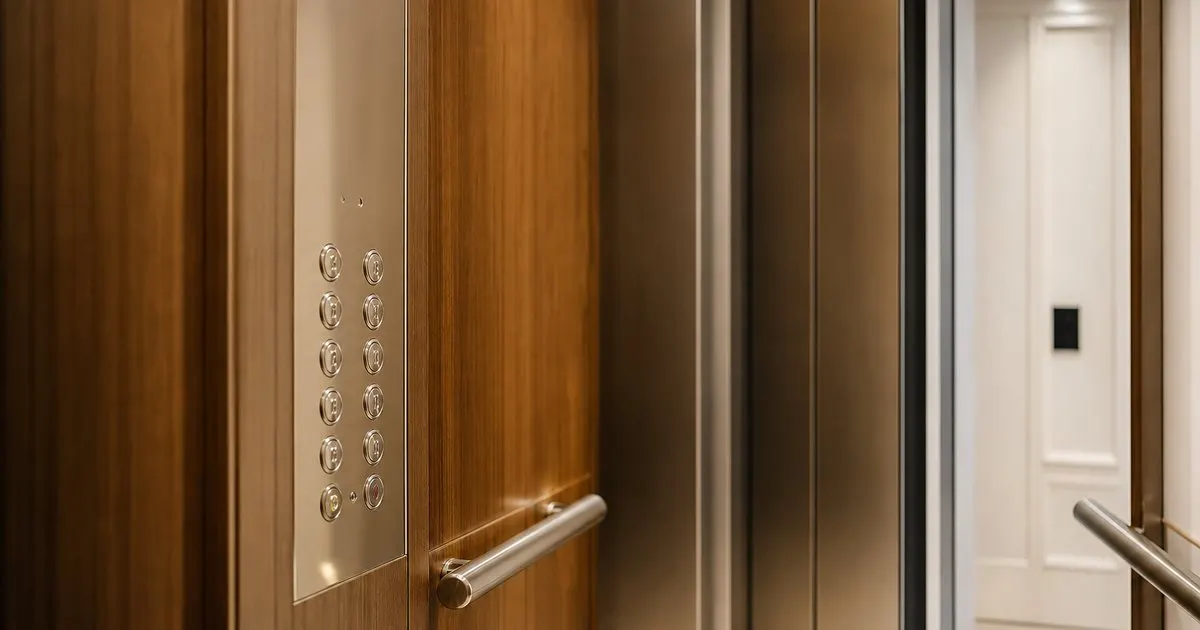
The essentials, not the extras
Core safety features include reliable braking, controlled descent, door interlocks, and a dependable means of communication from inside the cab. These are foundations, not upgrades.
A high end lift should treat these as standard. Be wary of any offering where fundamental safety appears on an options list rather than in the base specification.
Keep reading: How Much Should You Budget For A Luxury Residential Home Elevator?, Which Home Elevator Drive System Is Quietest And Most Reliable For Villas?, What Should Affluent Homeowners Know Before Installing An Elevator In An Existing House?. See how Homeliftr helps you an expert guide to elegant residential elevators.
Power and emergency provisions
Backup power or a safe lowering system ensures the cab is never a trap during an outage. This is among the most reassuring features a household can have. Related: Why Does A Home Elevator Need Battery Backup, And What Happens In A Power Outage?
Emergency communication, whether a telephone line or a monitored connection, lets an occupant summon help. In a private home this quiet provision matters more than it appears. Related: Is A Private Home Elevator A Sound Long Term Investment For Resale?
Doors, sensors, and interlocks
Well designed doors, sensors, and interlocks prevent movement when they should and protect fingers and children. These details separate a safe lift from a merely functional one.
Consider the whole household, including children and older relatives. Features that seem minor become significant when the lift serves people of very different needs.
Verifying real safety
Ask how each safety feature behaves in practice and request a demonstration where possible. A feature you can see working is worth more than one merely named.
Confirm the installation meets applicable local requirements and is properly commissioned. Sound safety is as much about correct installation as about the equipment itself.
- Braking, interlocks, and communication are foundations
- Backup power prevents the cab becoming a trap
- Doors and sensors protect children and fingers
- Demand demonstrations and proper commissioning

Julien Jimenez
Julien Jimenez is an independent software builder based in Paris. He designs, ships, and operates focused SaaS products for small businesses and independent professionals. Read the full author page.
Frequently asked questions
Should backup power be standard on a luxury lift?
In practical terms, yes. A backup or safe lowering provision keeps occupants from being stranded during an outage and should not be treated as an afterthought.
How can I verify a lift's safety claims?
Ask for demonstrations of key features, confirm compliance with local requirements, and ensure the system is properly commissioned by qualified installers.
Elevate the Home You Love
An expert guide to elegant residential elevators. Homeliftr is built to help you put this into practice.
Request a consultationMore from the Homeliftr blog
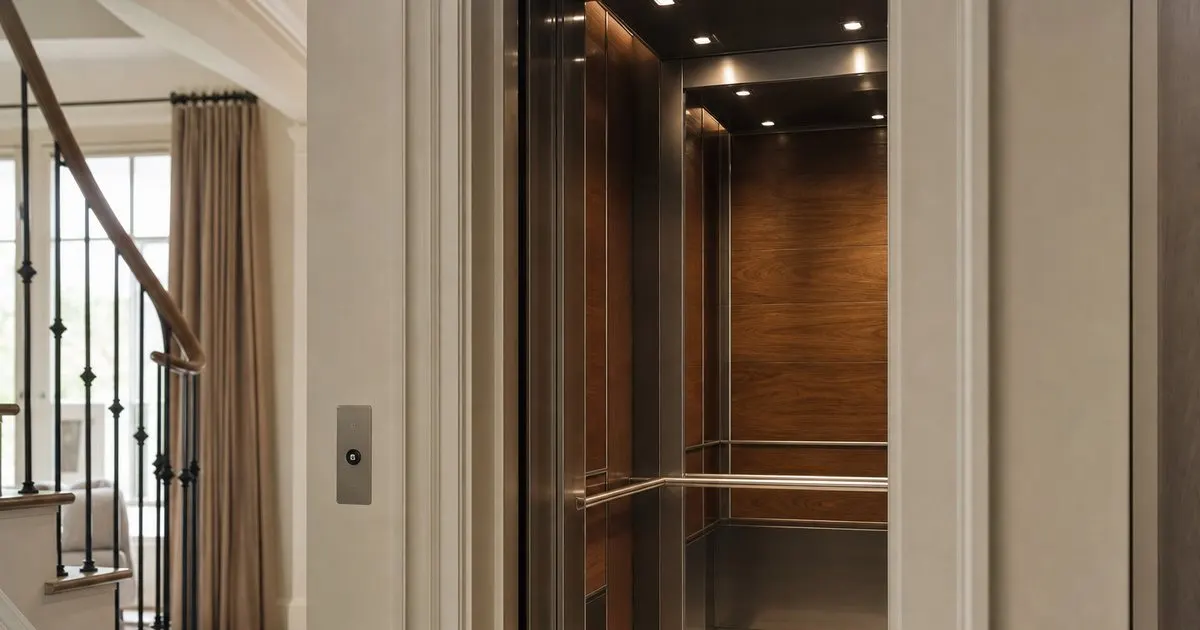
How Much Should You Budget For A Luxury Residential Home Elevator?
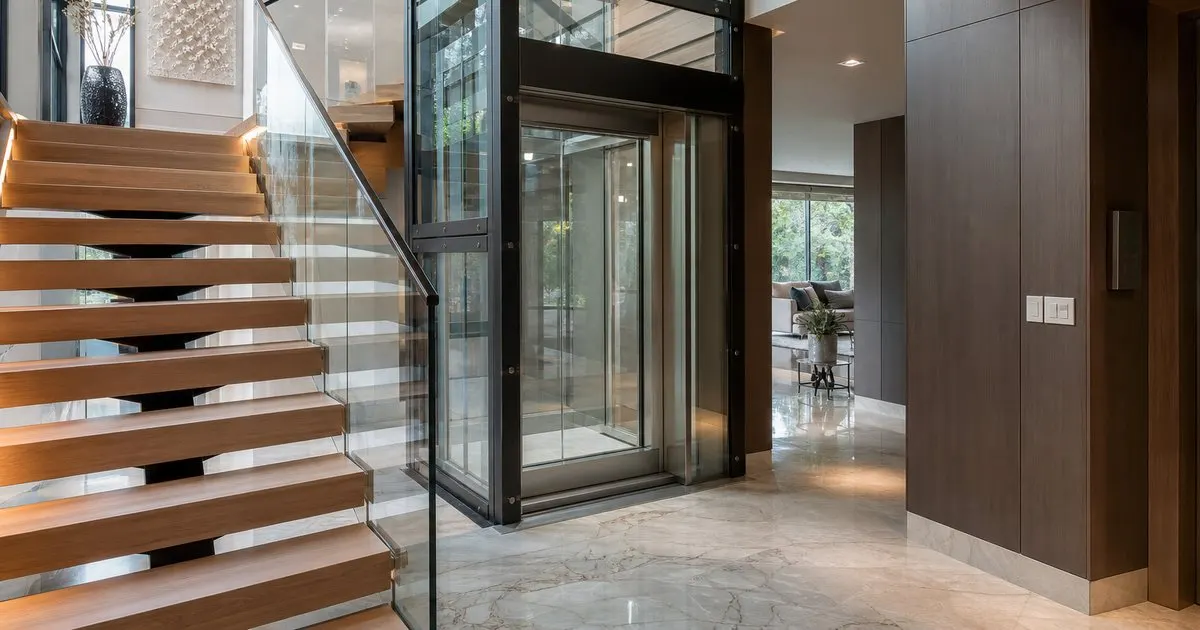
Which Home Elevator Drive System Is Quietest And Most Reliable For Villas?
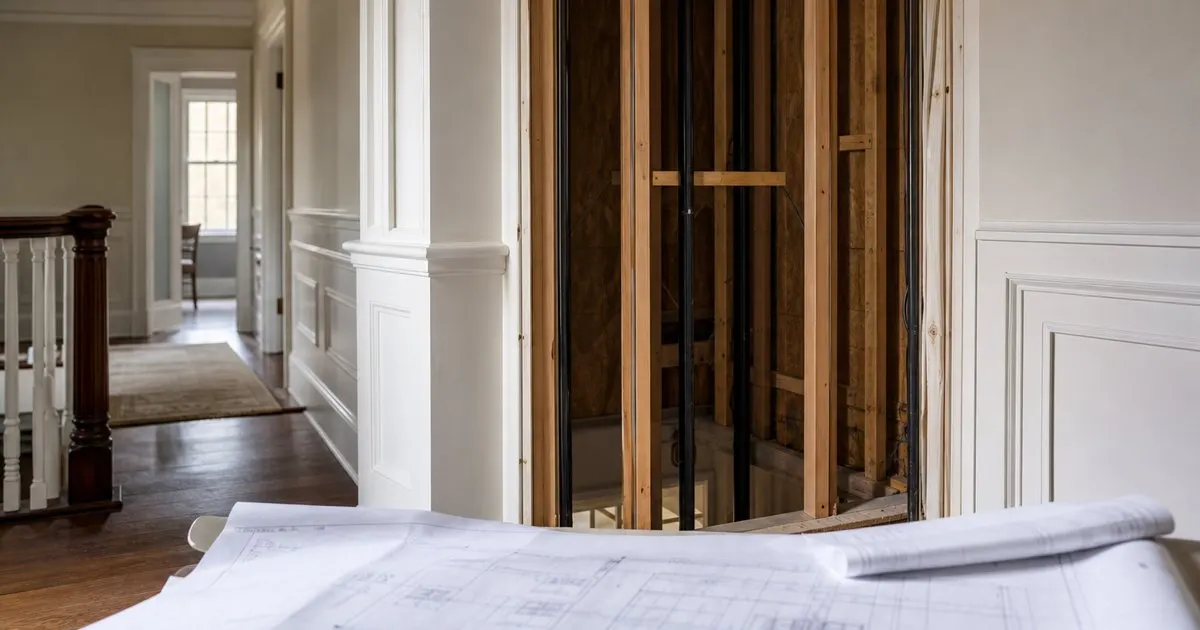
What Should Affluent Homeowners Know Before Installing An Elevator In An Existing House?
Get the complete residential home elevators guide
Our full buying guide, the price guide, and new research as we publish it. One email, no spam, unsubscribe any time.