How Do You Choose Between Hydraulic, Traction, And Pneumatic Home Elevators?
A plain guide to the three main residential drive systems and the homes each one suits best.
Choose by matching the mechanism to your home and needs. Hydraulic offers a solid ride, traction is prized for smooth efficient travel, and pneumatic suits compact, machine room free installs. Weigh footprint, floors, travel height, and how visible the lift should be, then ride each candidate before deciding, because a running example settles what specifications cannot.
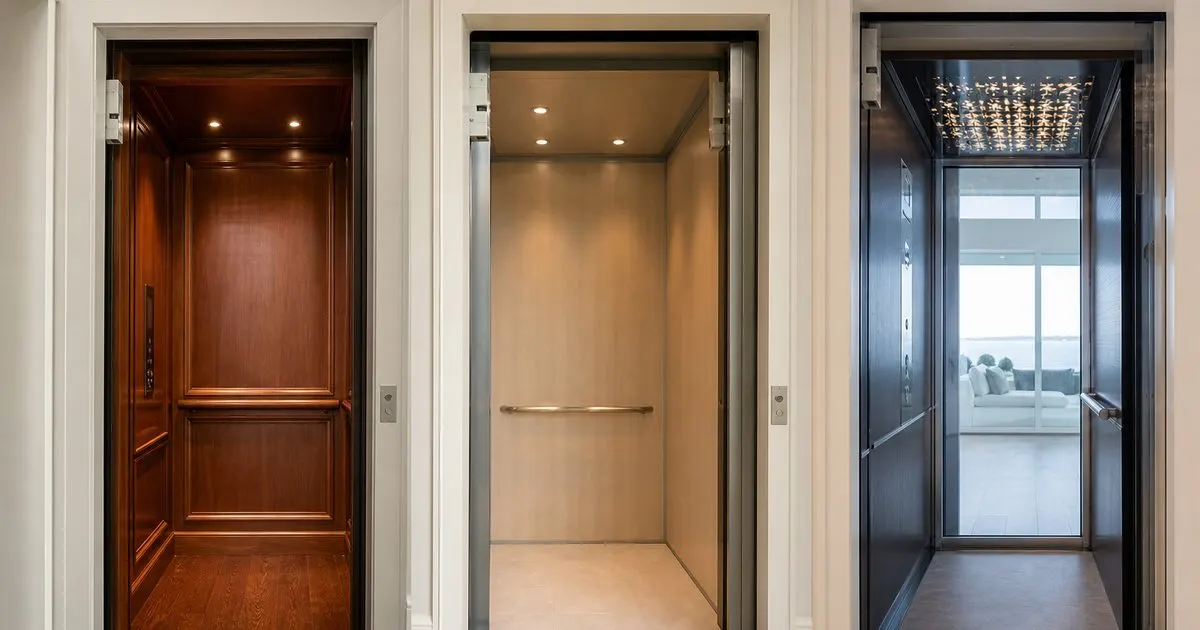
How each system works
Hydraulic lifts raise the cab with fluid pressure, traction lifts use ropes and a counterweight, and pneumatic lifts move the cab by air pressure within a sealed tube.
Each approach carries characteristic trade offs in ride feel, footprint, machinery needs, and energy use. Understanding the mechanism helps you predict how a lift will behave at home. Related: How Much Should You Budget For A Luxury Residential Home Elevator?
Keep reading: How Much Should You Budget For A Luxury Residential Home Elevator?, Which Home Elevator Drive System Is Quietest And Most Reliable For Villas?, What Should Affluent Homeowners Know Before Installing An Elevator In An Existing House?. See how Homeliftr helps you an expert guide to elegant residential elevators.
Ride, noise, and footprint
Traction systems are often prized for smooth, efficient travel, hydraulic systems for a solid ride, and pneumatic systems for compact, machine room free installation.
Footprint varies widely. A home with little space to spare will weigh compactness heavily, while a larger residence may prioritize ride quality and travel height instead. Related: How Much Space And Structural Work Does A Residential Elevator Actually Require?
Suiting the system to the home
New builds can accommodate almost any system, so preference and ride quality lead. Existing homes and tight spaces push you toward more adaptable, compact solutions.
Consider travel height and the number of floors too. Some systems handle taller travel more gracefully, which matters in homes with several stories.
Making the decision
List your non negotiables first: footprint, floors, ride expectations, and how visible the lift should be. The right system usually emerges from those constraints. Related: Which Home Elevator Drive System Is Quietest And Most Reliable For Villas?
Then ride each candidate. A brief journey in a running example resolves debates that specification sheets leave open, and prevents costly second guessing later.
- Hydraulic, traction, and pneumatic work in distinct ways
- Footprint and ride quality often decide the choice
- New builds allow flexibility, retrofits demand adaptability
- Ride each option before committing

Julien Jimenez
Julien Jimenez is an independent software builder based in Paris. He designs, ships, and operates focused SaaS products for small businesses and independent professionals. Read the full author page.
Frequently asked questions
Which system uses the least space?
Pneumatic systems are often the most compact and need no machine room, though capacity and travel height can be more limited than other drives.
Is one system clearly more energy efficient?
Efficiency varies by system and installation. Traction designs are frequently cited for efficiency, but real world use depends on the specific equipment.
Elevate the Home You Love
An expert guide to elegant residential elevators. Homeliftr is built to help you put this into practice.
Request a consultationMore from the Homeliftr blog

How Much Should You Budget For A Luxury Residential Home Elevator?

Which Home Elevator Drive System Is Quietest And Most Reliable For Villas?

What Should Affluent Homeowners Know Before Installing An Elevator In An Existing House?
Get the complete residential home elevators guide
Our full buying guide, the price guide, and new research as we publish it. One email, no spam, unsubscribe any time.