Is A Private Home Elevator A Sound Long Term Investment For Resale?
How a residential lift affects comfort, accessibility, and value, and why it should be judged as more than a return.
A private home elevator is best judged as a quality of life investment rather than a financial one. Its surest returns are comfort, accessibility, and lasting usability. It may broaden resale appeal in the right market and home, but that effect is uncertain and depends heavily on execution, so do not rely on it as a guaranteed return.

Value beyond the balance sheet
A home elevator's clearest returns are lived rather than counted: ease of movement, accessibility as households age, and the quiet confidence of a home that adapts to its owners. Related: How Much Should You Budget For A Luxury Residential Home Elevator?
These benefits are real and daily. For many buyers they justify the investment on their own, independent of what a future sale might recover.
Keep reading: How Much Should You Budget For A Luxury Residential Home Elevator?, Which Home Elevator Drive System Is Quietest And Most Reliable For Villas?, What Should Affluent Homeowners Know Before Installing An Elevator In An Existing House?. See how Homeliftr helps you an expert guide to elegant residential elevators.
How it can affect resale
In the right market and home, a well executed lift can broaden appeal, particularly to buyers who value accessibility or multi story living without stairs. Related: Which Home Elevator Drive System Is Quietest And Most Reliable For Villas?
The effect is not guaranteed. Resale impact depends on the local market, the home's tier, and how gracefully the lift is integrated, so treat any uplift as uncertain. Related: What Should Affluent Homeowners Know Before Installing An Elevator In An Existing House?
Execution decides perception
A lift that feels intended and beautifully finished reads as an asset. One that feels bolted on or dated can read as a maintenance liability instead. Related: What Ongoing Maintenance And Service Should Owners Expect From A Home Elevator?
Quality of integration, ride, and finish shape how a future buyer perceives the feature. This is another reason to prioritize engineering and craft over shortcuts.
Framing the decision honestly
Approach the elevator as a quality of life improvement first. If it later helps a sale, welcome that, but do not rely on it as a financial instrument.
This guide is independent and does not offer financial advice. For questions about your specific property's value, consult qualified local professionals.
- The strongest returns are comfort and accessibility
- Resale impact varies by market and execution
- Graceful integration reads as an asset, not a liability
- Treat it as quality of life, not guaranteed return

Julien Jimenez
Julien Jimenez is an independent software builder based in Paris. He designs, ships, and operates focused SaaS products for small businesses and independent professionals. Read the full author page.
Frequently asked questions
Will an elevator always increase my home's value?
No. It can help in the right market and home, but the effect is not guaranteed and depends on integration, tier, and local demand.
Is this financial advice about my property?
No. This is an independent editorial guide. For decisions about your property's value, consult qualified local real estate and financial professionals.
Elevate the Home You Love
An expert guide to elegant residential elevators. Homeliftr is built to help you put this into practice.
Request a consultationMore from the Homeliftr blog
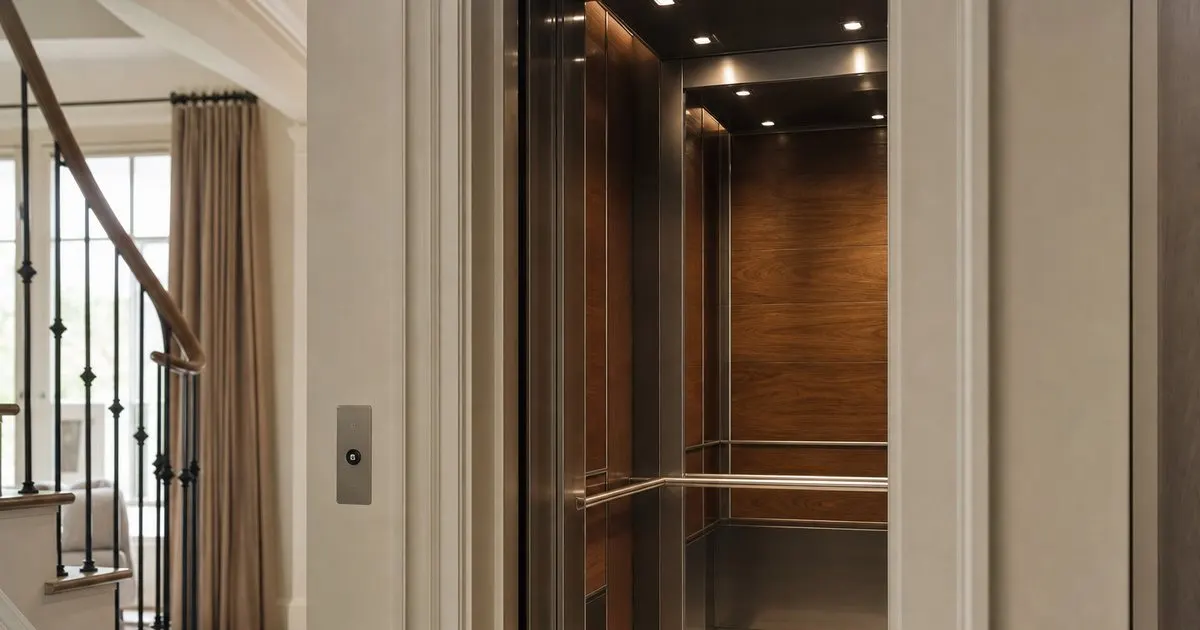
How Much Should You Budget For A Luxury Residential Home Elevator?
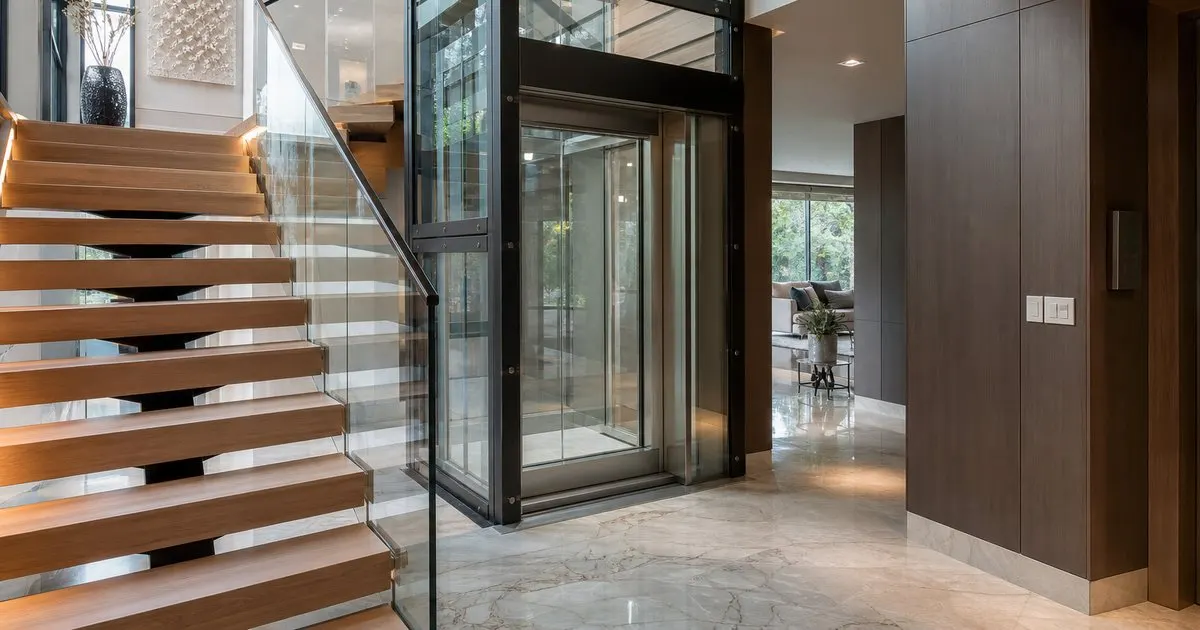
Which Home Elevator Drive System Is Quietest And Most Reliable For Villas?
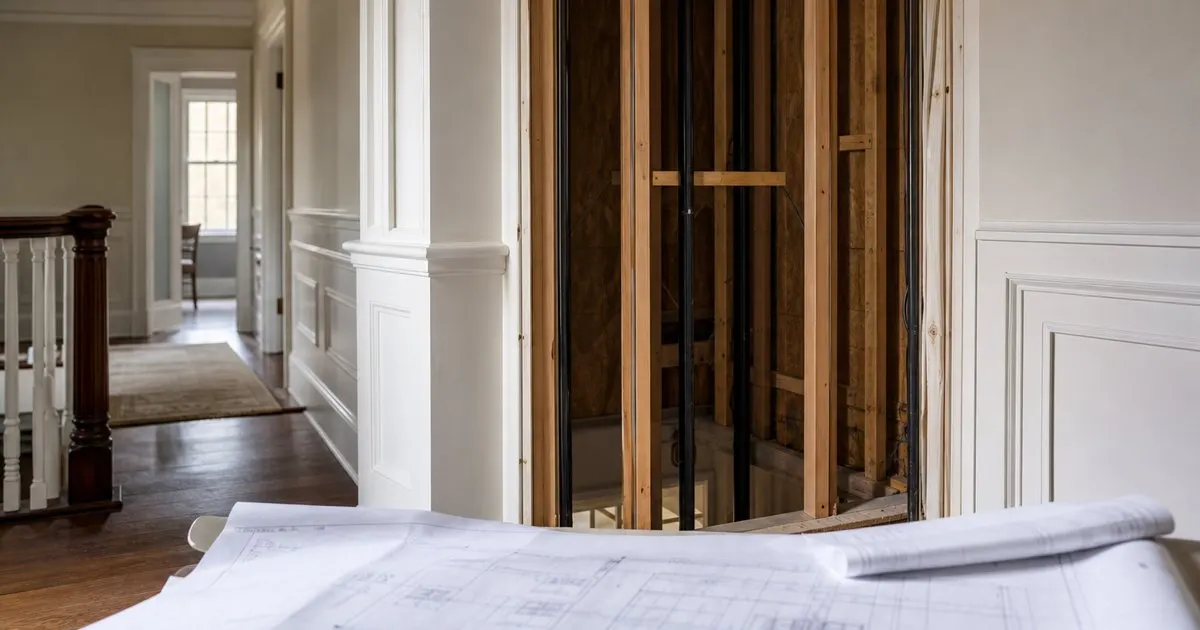
What Should Affluent Homeowners Know Before Installing An Elevator In An Existing House?
Get the complete residential home elevators guide
Our full buying guide, the price guide, and new research as we publish it. One email, no spam, unsubscribe any time.