What Is The Best Way To Add A Glass Or Panoramic Elevator To A Modern Residence?
Glass elevators are the showpiece of contemporary homes, and the least forgiving to get wrong. A guide to the options, the engineering, and the daily realities of living with one.

Three ways to get the glass look
The phrase glass elevator covers three quite different constructions. The first is a conventional elevator with glass cab panels riding inside a conventional hoistway, where the glass is only visible from inside the car and from the landing when the doors are open. The second is a glass hoistway, where the shaft itself is built of structural or framed glass panels so the car is visible as it moves through the house. The third is a self-supporting unit, such as a pneumatic vacuum elevator in a transparent tube or a shaftless through-floor lift with glass sides, which needs no separate enclosure at all. Related: Which Home Elevator Drive System Is Quietest And Most Reliable For Villas?
Each has a different cost profile and a different footprint. Glass cab panels are the least expensive and the least dramatic. A full glass hoistway is the architectural statement, and it is also the most demanding, because the glass must satisfy the elevator code's hoistway enclosure requirements and be engineered as structure. Self-supporting units are the fastest to install and the most flexible in a retrofit, at the cost of a smaller cab and a distinctive look that suits some interiors and not others. Related: What Should Affluent Homeowners Know Before Installing An Elevator In An Existing House?
Keep reading: How Much Should You Budget For A Luxury Residential Home Elevator?, Which Home Elevator Drive System Is Quietest And Most Reliable For Villas?, What Should Affluent Homeowners Know Before Installing An Elevator In An Existing House?. See how Homeliftr helps you an expert guide to elegant residential elevators.
Engineering and code realities
Any glass that encloses an elevator or forms part of the car must be safety glass, typically laminated so it holds together if it breaks, and the manufacturer will specify the thickness and type. A glass hoistway needs a structural frame or fins to carry the rail loads, since glass panels cannot support the guide rails, and the engineer has to account for the dynamic loads of the moving car. This is why glass hoistways are almost always designed with the elevator manufacturer, the architect, and a structural engineer working together from the start.
Fire separation is the question most often overlooked. In many jurisdictions a single-family home does not require a fire-rated hoistway, which is what makes glass possible, but some local codes and some multi-story configurations do. Confirm with the building department before the design is drawn, not after. Also plan for the top and bottom of the shaft: even a glass hoistway needs a pit, overhead space, and a place to hide the machine and controller, and the elegance of the design depends on how well those are concealed.
Living with glass: light, heat, privacy, and cleaning
Glass elevators are usually placed where the light is, and that brings heat. A cab sitting in a south-facing atrium can become uncomfortably warm, and the controller and drive have operating temperature limits. Consider low-emissivity glass, tinting, or a cab fan, and talk to the HVAC designer about the shaft as a thermal chimney. Lighting the cab is also different: instead of a ceiling fixture in an opaque box, designers use edge-lit floors, slim LED strips in the frame, or fixtures that make the glass glow after dark.
Privacy and cleaning are the daily realities. A transparent car riding past a bedroom hall is charming until it is not; frosted bands, switchable privacy glass, or careful placement solve it. Fingerprints, dust on the inside of the shaft, and water spots from cleaning all show on glass in a way they never do on walnut, and the inside face of a glass hoistway can only be cleaned by someone with access to the shaft. Ask your dealer how the interior surfaces are accessed for cleaning, and put that in the maintenance plan.
Choosing the right approach for your house
If the goal is a sculptural centerpiece in a double-height space with a floating stair, a framed or structural glass hoistway is the answer, and it justifies its cost as architecture rather than as transportation. If the goal is a bright, open-feeling cab within an ordinary shaft, glass cab panels with a well-lit interior deliver most of the pleasure for a fraction of the complexity. If the house is an existing one and the budget or structure will not carry a full shaft, a pneumatic tube or a shaftless lift with glass sides is the pragmatic showpiece. Related: How Much Should You Budget For A Luxury Residential Home Elevator?
Whichever you choose, insist on seeing an installed example in person and riding it, because glass elevators reveal every flaw: a rail joint you would never hear in an enclosed shaft, a cable you would never see, a slight sway the walls would have hidden. The best glass installations are the ones where the mechanical design was treated as part of the visual design from the first sketch, and the worst are the ones where someone tried to make a standard elevator transparent at the end. Related: How Do You Choose Between Hydraulic, Traction, And Pneumatic Home Elevators?
- Glass cab panels, a glass hoistway, and a self-supporting glass unit are three different products at three different prices.
- A glass hoistway needs a structural frame for the rails and a code review for fire separation before design starts.
- Plan for heat gain, privacy sightlines, and how the inside of the shaft will be cleaned.
- Ride an installed example; glass exposes mechanical flaws that opaque shafts hide.

Julien Jimenez
Julien Jimenez is an independent software builder based in Paris. He designs, ships, and operates focused SaaS products for small businesses and independent professionals. Read the full author page.
Elevate the Home You Love
An expert guide to elegant residential elevators. Homeliftr is built to help you put this into practice.
Request a consultationMore from the Homeliftr blog
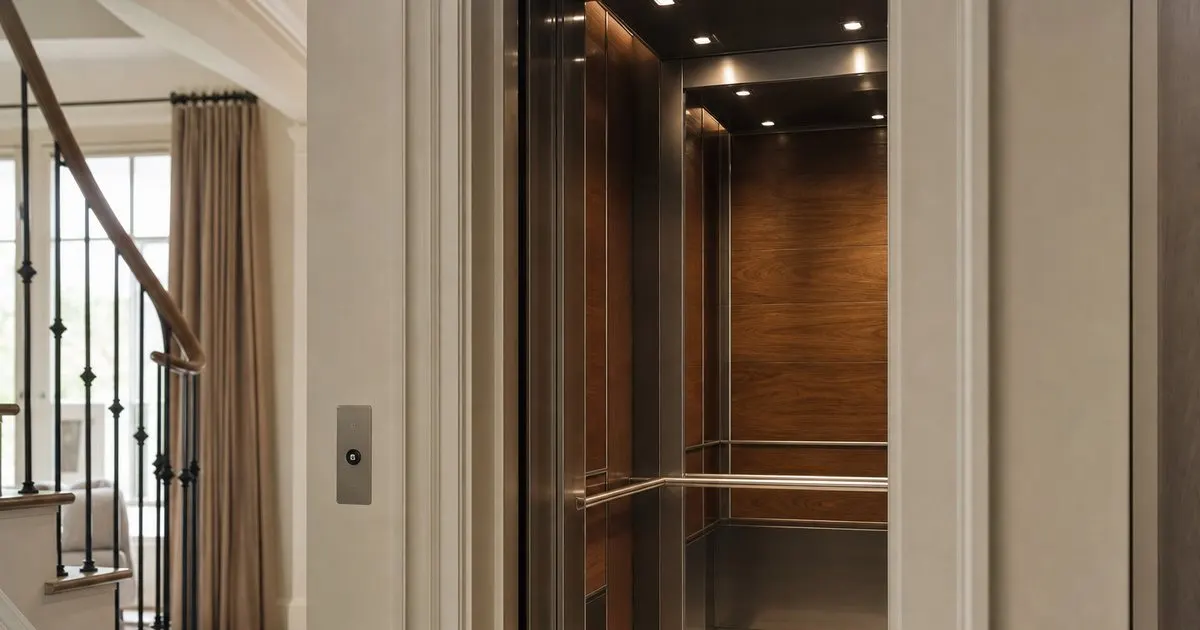
How Much Should You Budget For A Luxury Residential Home Elevator?

Which Home Elevator Drive System Is Quietest And Most Reliable For Villas?
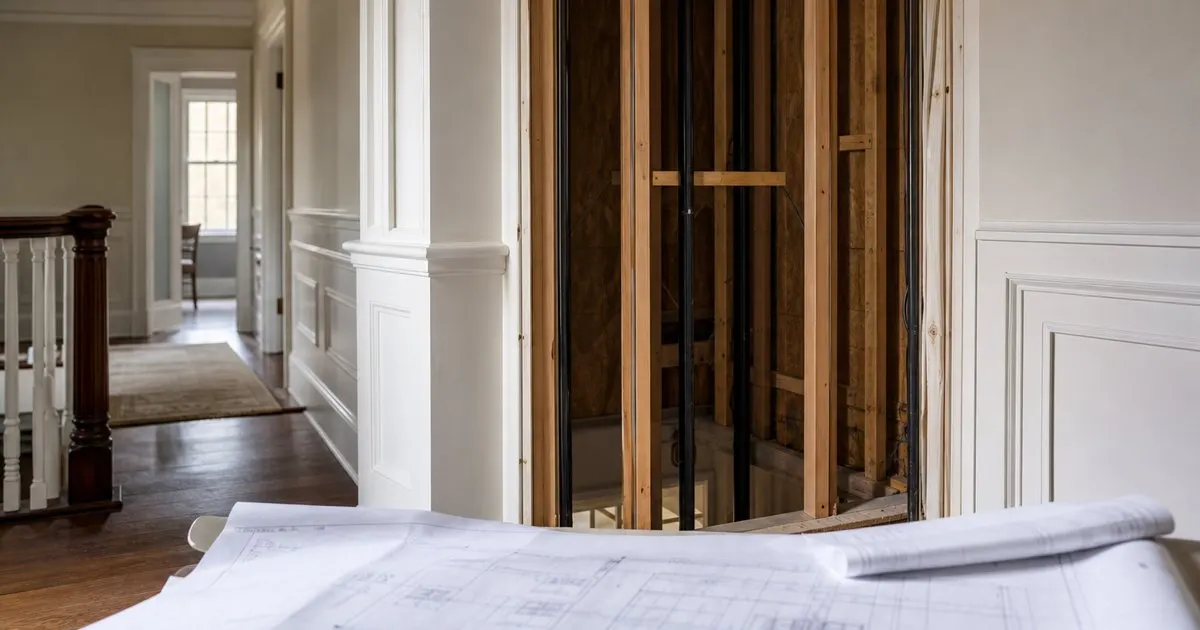
What Should Affluent Homeowners Know Before Installing An Elevator In An Existing House?
Get the complete residential home elevators guide
Our full buying guide, the price guide, and new research as we publish it. One email, no spam, unsubscribe any time.