How Do You Vet And Select A Qualified Residential Elevator Installer Near You?
The elevator company matters more than the elevator. Here are the licenses, questions, and red flags that separate a dependable installer from an expensive lesson.

Why the installer is the product
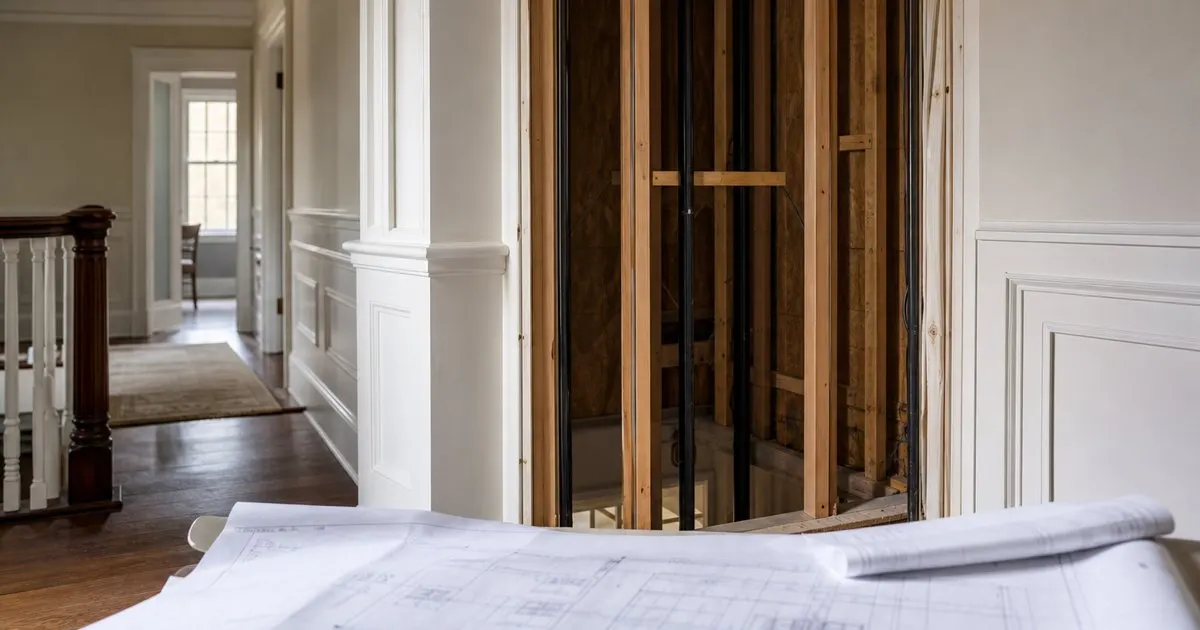
Two houses can receive the same elevator model from the same factory and end up with completely different experiences, because ride quality, door alignment, noise, and reliability are set during installation and adjustment, not on the assembly line. Residential elevators are shipped as kits and assembled in your hoistway by a crew; the skill of that crew decides how the car levels, how quietly the doors close, and whether you will be calling for service every month. Related: How Much Should You Budget For A Luxury Residential Home Elevator?
The same company will also be the one you rely on for the next twenty years. In most markets the installing dealer becomes the service provider by default, and switching later is possible but rarely painless. So the selection you are really making is a long-term relationship with a local business, and you should evaluate it the way you would evaluate an architect or a wealth manager: on track record, on the people, and on what happens when things go wrong. Related: Is A Private Home Elevator A Sound Long Term Investment For Resale?
Keep reading: How Much Should You Budget For A Luxury Residential Home Elevator?, Which Home Elevator Drive System Is Quietest And Most Reliable For Villas?, What Should Affluent Homeowners Know Before Installing An Elevator In An Existing House?. See how Homeliftr helps you an expert guide to elegant residential elevators.
Licenses, insurance, and credentials to verify
Many states license elevator contractors and elevator mechanics through a labor or safety department, and in those states an unlicensed installer cannot legally pull the elevator permit. Ask for the license number and check it on the state's site rather than taking a copy at face value. In states without an elevator-specific license, a general contractor license plus manufacturer authorization is the usual minimum, and the local building department can tell you what they expect.
Request a certificate of insurance naming you as certificate holder, showing general liability and workers' compensation, and confirm it is current. Ask whether the technicians hold industry certifications such as the Certified Elevator Technician credential offered through the National Association of Elevator Contractors, and whether the company is a factory-authorized dealer for the brand it is quoting. Authorization matters because warranty claims and parts typically route through the dealer, and an unauthorized installer can leave you without either.
The questions that reveal a good company
Ask how many residential elevators the company installed last year and how many mechanics it employs. A company with one crew and a long backlog will struggle to respond to a service call. Ask who builds the hoistway and who is responsible for the interface between the general contractor and the elevator crew; the best dealers provide a hoistway drawing and a readiness checklist and will visit the site before the crew is scheduled. Ask to see two or three installed projects of similar scope, and ride them. Related: Which Home Elevator Drive System Is Quietest And Most Reliable For Villas?
Then ask about service in detail: the guaranteed response time for a stopped car with a person inside, the normal response time for a non-emergency call, whether the technician who installs will also service, whether parts are stocked locally, and what the annual maintenance agreement covers. Finally, ask for the names of the last three clients who had a warranty claim, not the last three happy clients. How a company handled a problem is the most honest reference you can get.
Red flags and how to compare quotes
Be wary of a quote that is dramatically lower than the others; it usually omits the hoistway construction, the electrical work, the permit, the inspection, or the finish work around the doors, and those costs land on you later. Be equally wary of a dealer who cannot tell you which local jurisdiction inspects residential elevators, who resists providing a certificate of insurance, or who offers only one brand and dismisses every other drive type. Pressure to sign before a factory price increase is a sales tactic, not a reason.
Compare quotes on a like-for-like basis by asking each dealer to break out the elevator, the installation, the electrical, the hoistway, the permit and inspection fees, and the first year of service. Note that an independent guide like this one may earn a commission when readers request quotes through partner links; it does not change the advice, which is to get at least two written proposals from licensed, insured, factory-authorized dealers and to choose the one whose service department you would trust at two in the morning. Related: What Should Affluent Homeowners Know Before Installing An Elevator In An Existing House?
- Installation and adjustment, not the factory, determine ride quality and long-term reliability.
- Verify the state elevator contractor license, current insurance, and factory authorization before signing.
- Ask about mechanic headcount, response times, and how the company handled its last warranty claims.
- Compare quotes line by line; an unusually low price usually means missing scope.

Julien Jimenez
Julien Jimenez is an independent software builder based in Paris. He designs, ships, and operates focused SaaS products for small businesses and independent professionals. Read the full author page.
Elevate the Home You Love
An expert guide to elegant residential elevators. Homeliftr is built to help you put this into practice.
Request a consultationMore from the Homeliftr blog

How Much Should You Budget For A Luxury Residential Home Elevator?

Which Home Elevator Drive System Is Quietest And Most Reliable For Villas?
What Should Affluent Homeowners Know Before Installing An Elevator In An Existing House?
Get the complete residential home elevators guide
Our full buying guide, the price guide, and new research as we publish it. One email, no spam, unsubscribe any time.