What Should A Homeowner Planning To Age In Place Look For In A Home Elevator?
The features that separate an elevator that is pleasant at sixty from one that is still workable at eighty-five, and the specifications to write into the contract.

Design for the mobility you will have, not the mobility you have
Most owners who buy an elevator in their fifties or sixties are perfectly able to walk into a compact cab and turn around. The elevator that serves them at eighty needs to accept a walker, then a wheelchair, and eventually a wheelchair plus a caregiver. Because the hoistway is the most expensive thing to change later, the cab should be sized for the last of those scenarios from day one, even if it feels generous today.
In practice that means an interior clear floor of roughly 36 by 48 inches or larger where the code and the house allow it, with a door opening close to 36 inches. Residential elevator codes limit platform area, so you cannot go unlimited, but most manufacturers offer cabs at or near the maximum. Choose the largest cab the hoistway can accept, and make sure the door and the cab are arranged so a wheelchair user can enter and exit without reversing out of a dead end. Related: How Much Should You Budget For A Luxury Residential Home Elevator?
Keep reading: How Much Should You Budget For A Luxury Residential Home Elevator?, Which Home Elevator Drive System Is Quietest And Most Reliable For Villas?, What Should Affluent Homeowners Know Before Installing An Elevator In An Existing House?. See how Homeliftr helps you an expert guide to elegant residential elevators.
Doors and gates are where independence is won or lost
The traditional residential arrangement is a swing door at the landing and a folding accordion gate on the car. Both require a free hand and a bit of strength, and both are awkward from a seated position. For aging in place, prioritize automatic sliding doors at the landings and an automatic car door or gate, so that a call button or a remote is the only thing the user has to operate. If the budget forces a choice, automate the car gate first, because it is the one operated on every trip.
Look closely at door timing and reopening devices. A door that closes quickly is a hazard for someone moving slowly; ask for adjustable dwell time and a light curtain or safety edge that reopens the door on contact. Landing doors should have lever handles rather than knobs where they are manual, and the threshold at each landing should be flush enough that a wheelchair crosses it without a bump. These details rarely appear on a brochure, and they matter more than the veneer. Related: What Safety Features Truly Matter When Selecting A High End Home Elevator?
Controls, lighting, and the small ergonomics
Control panels should be mounted low enough to reach from a seated position and placed so they can be operated from either side. Large, high-contrast, illuminated buttons with tactile markings help failing eyesight; a hold or door-open button that is easy to find helps everyone. Many owners add hall call stations at wheelchair height and a handheld remote so the elevator can be summoned from a chair across the room. A fold-down seat and a handrail at a comfortable height turn a short ride into a restful one.
Lighting should be even and glare-free, with an automatic emergency light that comes on during a power failure. A two-way communication device is standard, but for aging in place consider one that connects to a monitored service or a family member's phone rather than only to a dial tone, and confirm it works on cellular if the house no longer has a landline. Battery lowering, which brings the car to a landing and opens the door when the power goes out, is essential rather than optional for anyone who could not climb out of a stopped car.
Planning for care, service, and the years ahead
An elevator used by an older person is also used by the people helping them. Think about whether a caregiver can ride alongside, whether a rolling shower chair or transport wheelchair fits, and whether the elevator lands close to the bedroom and the bathroom rather than at the far end of the house. Owners who plan a future primary suite often align the elevator with it, so that the hardest daily trip becomes a short one. Related: What Should Affluent Homeowners Know Before Installing An Elevator In An Existing House?
Finally, choose a dealer with a real service department, because an elevator that is out of order for a week is a very different problem for someone who cannot use the stairs. Ask about response times, whether a technician is local, and whether the maintenance contract includes priority service. Aging in place is a promise the house makes to its owner; the elevator, the doors, and the people who service it are how the house keeps it. Related: How Do You Choose Between Hydraulic, Traction, And Pneumatic Home Elevators?
- Size the cab for a wheelchair and a companion now, because the hoistway is the hardest thing to change later.
- Automatic doors and an automatic car gate do more for independence than any finish upgrade.
- Low, high-contrast controls, a handrail, a fold-down seat, and battery lowering are the practical essentials.
- Locate the elevator near the bedroom and bathroom and choose a dealer with fast local service.

Julien Jimenez
Julien Jimenez is an independent software builder based in Paris. He designs, ships, and operates focused SaaS products for small businesses and independent professionals. Read the full author page.
Elevate the Home You Love
An expert guide to elegant residential elevators. Homeliftr is built to help you put this into practice.
Request a consultationMore from the Homeliftr blog
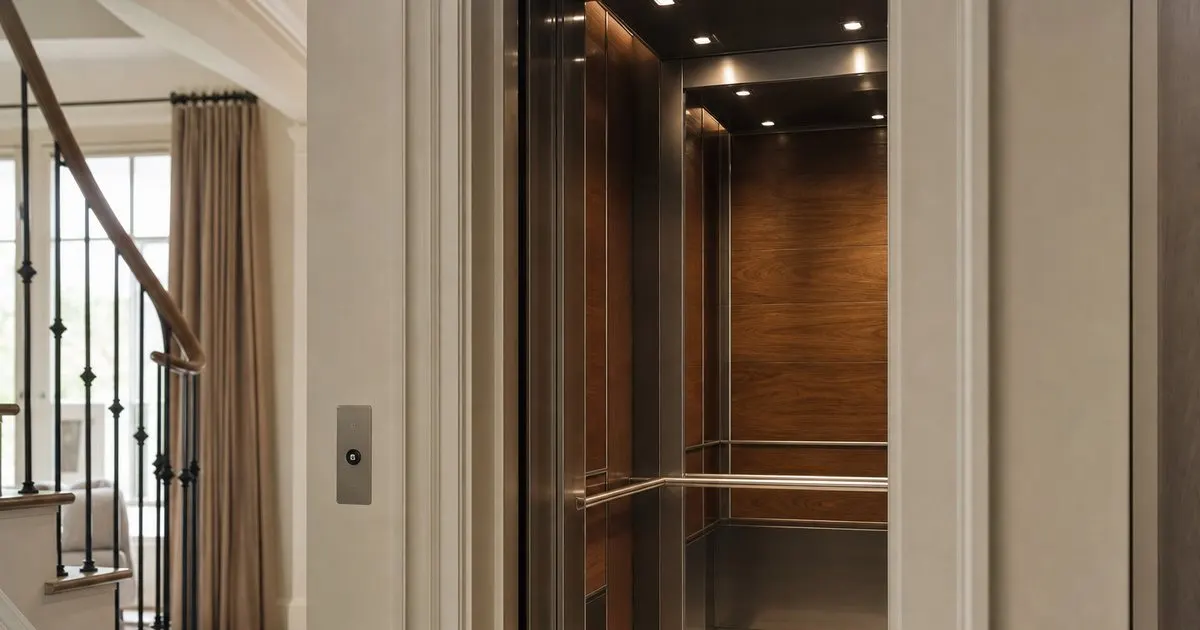
How Much Should You Budget For A Luxury Residential Home Elevator?
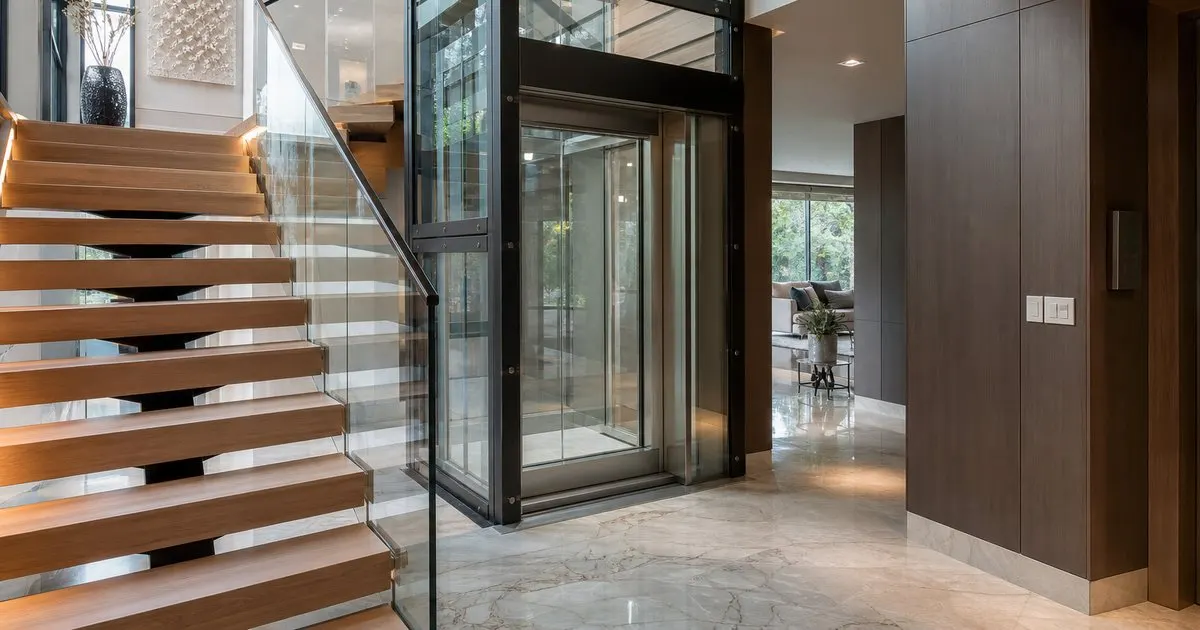
Which Home Elevator Drive System Is Quietest And Most Reliable For Villas?
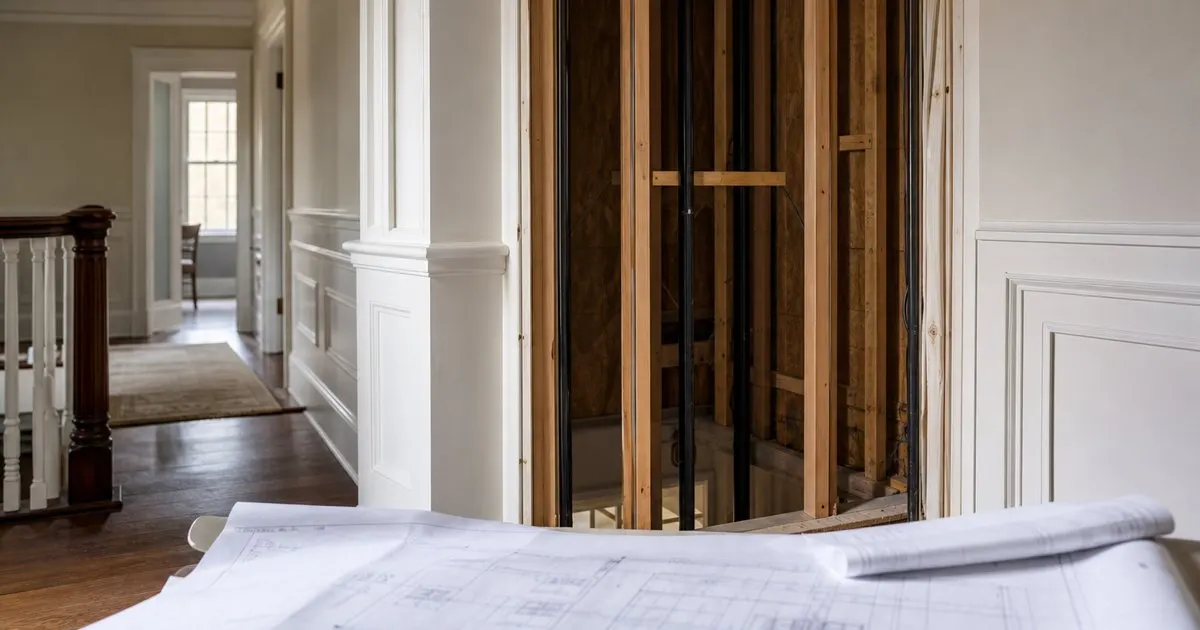
What Should Affluent Homeowners Know Before Installing An Elevator In An Existing House?
Get the complete residential home elevators guide
Our full buying guide, the price guide, and new research as we publish it. One email, no spam, unsubscribe any time.